
Navigating Personal Data Protection in the Age of Wearable Tech
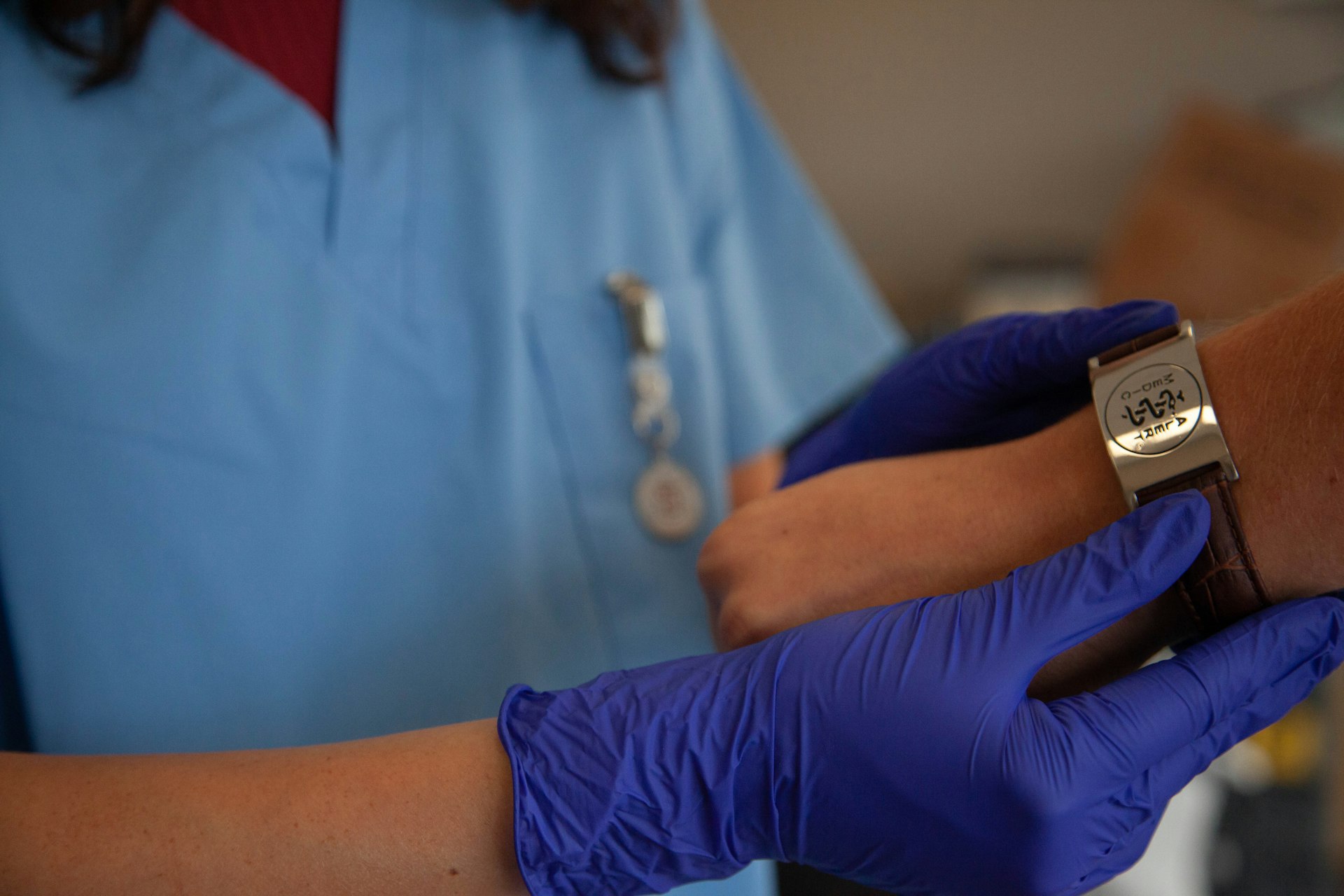

Photo by MedicAlert UK on Unsplash
Understanding Data Collection in Wearable Devices
Wearable devices, from fitness trackers to smartwatches, have become ubiquitous in modern life, offering users real-time insights into their physical activity, sleep patterns, heart rate, and even blood glucose levels. What many users may not realize is the breadth of data these devices collect beyond basic metrics. A typical smartwatch may collect not just heart rate and step count, but also sleep stages, calorie burn, and even the user’s daily travel routes via GPS. Some advanced wearables can detect irregular heartbeats or monitor blood oxygen levels, generating highly sensitive health data that could reveal underlying medical conditions. This data is often encrypted when transmitted from the device to the cloud, but encryption does not guarantee that the data will not be accessed by unauthorized parties if the cloud server is breached.
Third-Party Access to Health Data
When users set up their wearable devices, they often agree to terms of service that allow manufacturers to share their data with various third parties. These can include app developers, research institutions, advertisers, and even insurance companies. For example, a fitness app that syncs with a smartwatch may use user data to create personalized workout plans, but it may also anonymize and aggregate the data to sell to health research firms. A 2022 study by a consumer advocacy group found that 70% of popular fitness apps share user data with at least one third-party advertiser. This means that a user’s workout routine, sleep patterns, and even health conditions could be used to target them with personalized ads. In some cases, this data has been shared with data brokers who sell it to other companies, including insurance providers and employers, raising concerns about workplace discrimination where employers could use wearable data to make hiring or promotion decisions based on a candidate’s health status.
Regulatory Frameworks Governing Health Data
Across the globe, different regions have implemented regulations to protect user data. In the European Union, the General Data Protection Regulation (GDPR) gives users the right to access, correct, and delete their personal data, as well as the right to data portability. This means users can request a copy of their health data from a wearable manufacturer and transfer it to another service provider. In the United States, the Health Insurance Portability and Accountability Act (HIPAA) regulates health data, but it only applies to covered entities like hospitals and insurance companies. Wearable manufacturers are not always considered covered entities, which means their data practices may fall outside of HIPAA’s strict guidelines. This regulatory gap has led to calls for updated legislation that specifically addresses health data from consumer wearables. Other countries have also implemented their own rules: Canada’s Personal Information Protection and Electronic Documents Act (PIPEDA) requires organizations to obtain consent from users before collecting, using, or disclosing their personal data, while Australia’s Privacy Act 1988 sets out rules for handling personal data, including health data from wearables. Even with these regulations, gaps remain, particularly around cross-border data transfers where user data stored in foreign servers may be subject to different laws.
Best Practices for Users to Protect Their Data
There are several steps users can take to safeguard their health data from unauthorized access. First, users should carefully review the terms of service and privacy policies of their wearable devices and associated apps before agreeing to them. Many manufacturers offer options to limit data sharing, such as disabling location tracking or opting out of third-party data collection. Second, users should use strong, unique passwords for their wearable accounts and enable two-factor authentication whenever possible, adding an extra layer of security to prevent unauthorized access. Third, users should regularly update their device’s firmware and app software to patch any security vulnerabilities; manufacturers often release updates to address security issues, so keeping devices up to date is crucial. Another important step is to be cautious about granting app permissions: when downloading a third-party app that syncs with a wearable, users should only grant the permissions necessary for the app to function, such as access to heart rate data instead of contact lists or cameras. Users can also review and revoke app permissions at any time through their device’s settings, and use end-to-end encrypted messaging apps when sharing health data with healthcare providers or family members to prevent interception.

Photo by Luke Chesser on Unsplash
The Future of Health Data Privacy
As wearable technology continues to evolve, so too will the challenges surrounding health data privacy. Emerging technologies like artificial intelligence and machine learning are being used to analyze wearable data to predict health outcomes, such as the risk of developing chronic diseases. While these advancements have the potential to improve healthcare outcomes, they also raise concerns about how this data will be used and who will have access to it. As more users adopt wearable devices, there will be a growing need for clear, comprehensive regulations that protect user privacy while allowing for innovation in the healthcare sector. Additionally, users will need to become more educated about their data rights and how to protect their personal information in an increasingly digital world, ensuring that the benefits of wearable tech do not come at the cost of personal privacy.