
Effective Home Treatment for Spider Bites: Step-by-Step Guidance and Safety Tips
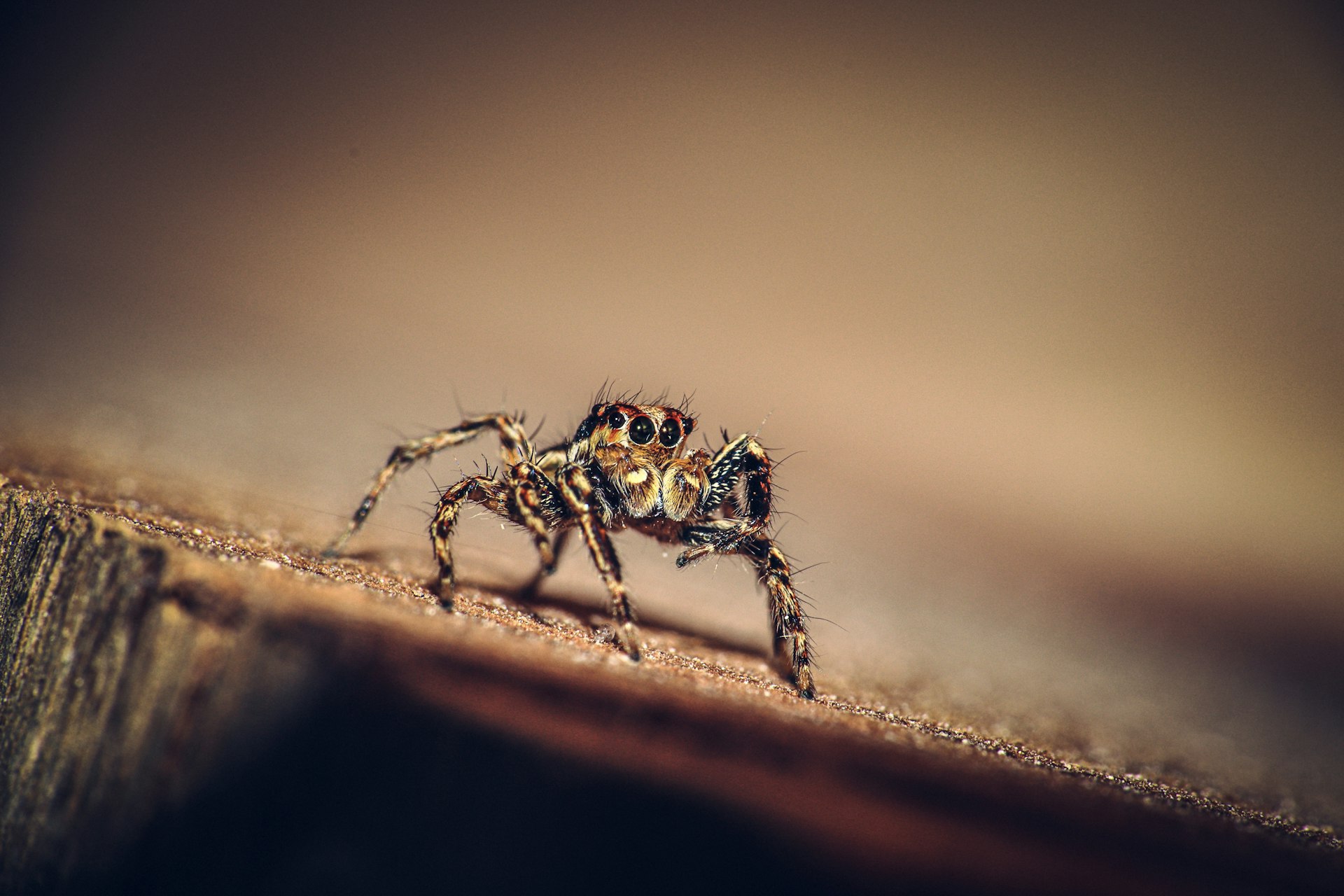

Photo by Manoj Kulkarni on Unsplash
Understanding Spider Bites: What You Need to Know
Spider bites are often a source of concern, but most cases can be managed effectively at home. In the United States, the majority of spiders are harmless, and their bites typically result in mild symptoms such as redness, swelling, and itching. Only a few species, like the black widow and brown recluse, pose serious health risks [1] . Recognizing the signs of a spider bite is crucial for proper care and determining when professional medical attention may be required.
Identifying a Spider Bite
Spider bites can resemble other insect bites, but some distinguishing features may help. You may notice two puncture marks at the bite site, which are usually slightly larger than mosquito bites. Common symptoms include:
- Redness and swelling around the bite
- Itching and mild pain
- Occasionally, a blister may form
Most bites heal on their own within a week. However, bites from venomous spiders like the black widow or brown recluse may cause more severe reactions, including muscle cramps, fever, chills, or a spreading wound [3] . If you suspect a bite from one of these spiders, consider contacting the National Poison Control Center at 1-800-222-1222 for expert, immediate guidance.

Photo by Ayush Sharma on Unsplash
Step-by-Step Home Treatment for Spider Bites
For non-dangerous spider bites, the following steps are recommended for effective home care:
1. Clean the Wound
Wash the affected area thoroughly with mild soap and water. This helps remove any bacteria and reduces the risk of infection. Using an antibiotic ointment, such as Neosporin, three times daily can further prevent infection [4] .
2. Apply a Cool Compress
Place a clean, damp cloth or an ice pack on the bite for 15 minutes each hour. This helps reduce swelling, pain, and itching. Always wrap ice in a cloth to avoid direct contact with the skin [5] .
3. Elevate the Area
If bitten on an arm or leg, elevate the limb above heart level. This promotes drainage and further decreases swelling [1] .
4. Relieve Itching and Pain
Over-the-counter antihistamines, such as diphenhydramine (Benadryl) or cetirizine (Zyrtec), can help alleviate itching and swelling. Nonprescription pain relievers like acetaminophen (Tylenol) or ibuprofen (Advil) may be used for pain [2] . Topical creams, such as calamine lotion or hydrocortisone, are additional options for itch relief.
5. Resist Scratching or Picking
Do not scratch, squeeze, or pop any blisters that may form. This helps prevent further irritation and reduces infection risk [1] .
6. Monitor for Signs of Infection
Watch for increasing redness, warmth, pus, or streaks spreading from the bite. If symptoms worsen, or if the bite develops into an open wound, seek medical attention promptly. Some cases may require antibiotics or additional medical care [2] .
Alternative and Supportive Remedies
In addition to standard first aid, some home remedies may offer extra comfort:
- Aloe vera gel : Known for its soothing properties, aloe vera can help reduce inflammation and promote healing [6] .
- Essential oils : While some people use diluted tea tree or lavender oil for their antimicrobial and calming effects, these remedies should be used cautiously and only on unbroken skin.
Always consult a healthcare professional before trying alternative treatments, especially if you experience unusual symptoms.
When to Seek Medical Attention
Most spider bites resolve without complications. However, immediate medical care is needed if you experience:
- Severe pain, cramping, or muscle spasms
- Difficulty breathing, swallowing, or chest tightness
- Spreading redness, streaks, or signs of systemic illness (fever, chills, nausea)
- A bite from a black widow or brown recluse spider
If unsure about the type of spider or severity of the symptoms, err on the side of caution and consult a medical professional or call poison control for guidance [3] .
Preventing Future Spider Bites
Prevention is a key aspect of spider bite management. Consider these strategies:
- Keep your home clean and clutter-free to minimize hiding spots
- Seal cracks and gaps in windows and doors
- Shake out clothing and shoes before wearing them, especially if stored in basements or garages
- Wear gloves when moving stored items or working outdoors
If you live in an area known for venomous spiders, familiarize yourself with their appearance and habitats. Many local cooperative extension offices or public health departments offer educational resources and advice on managing spiders in your environment. You can search for your local extension office or public health department online for additional details.
Accessing Expert Resources
For severe or uncertain cases, contacting poison control or seeking medical advice is critical. The National Poison Control Center (1-800-222-1222) operates 24/7 and can provide guidance for all types of bites and stings. For information on spider identification and bite prevention, consider reaching out to your local cooperative extension office or state health department. Search using your state name and “cooperative extension” or “public health department” for official contact information.
Key Takeaways and Practical Steps
Most spider bites can be managed safely at home by following these evidence-based steps:
- Clean the bite area and apply a cool compress
- Elevate the limb if possible
- Use over-the-counter medications for pain and itching
- Monitor for signs of infection or worsening symptoms
If symptoms escalate or you suspect a bite from a venomous spider, seek professional help promptly. For ongoing concerns, contact poison control or search for your state’s health department or cooperative extension services for additional support and information.
References
- [1] UNC Health (2022). How to Treat Spider Bites.
- [2] Mayo Clinic (2024). Spider bites – Diagnosis & treatment.
- [3] Nemours KidsHealth (2023). What to Do About Spider Bites.
- [4] familydoctor.org (2023). What Should I do if I Get a Spider Bite?
- [5] Mayo Clinic (2023). Spider bites: First aid.
- [6] Healthline (2024). Home Remedies for Spider Bites: Symptoms, Tips & More.