
Navigating the World of Personal Health Tracking: Beyond the Basics
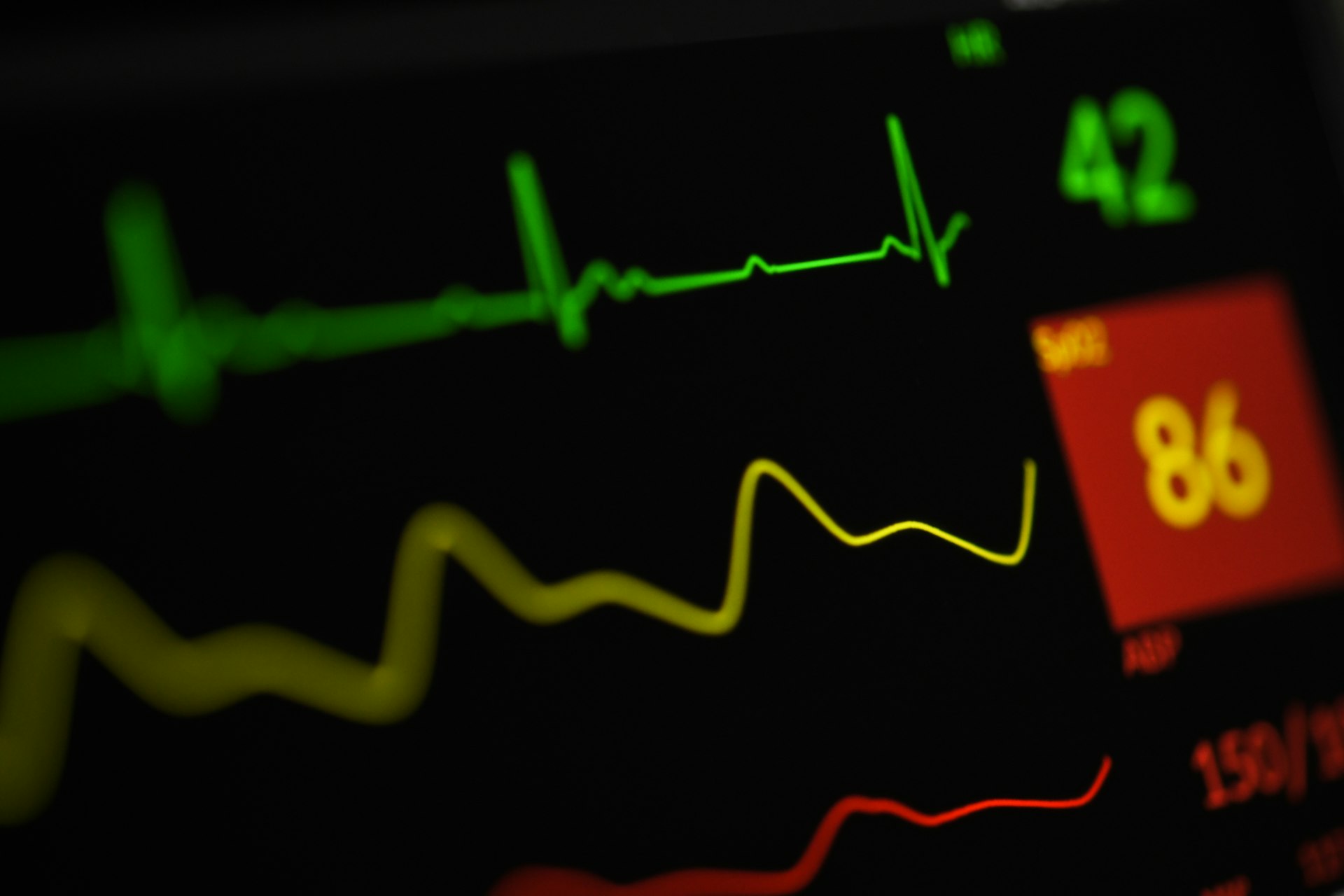

Photo by Joshua Chehov on Unsplash
Over the past decade, the landscape of personal health management has undergone a dramatic transformation, with millions of people turning to tools that allow them to track various aspects of their well-being from the comfort of their homes. What began as simple step counters has evolved into a sophisticated ecosystem of devices and applications that monitor everything from heart rate variability and sleep cycles to blood glucose levels and even genetic markers. This shift has not only changed how individuals perceive their health but has also created new dynamics between patients and healthcare providers.
Understanding the Spectrum of Personal Health Tracking Tools
Personal health tracking tools can be broadly categorized into three main groups: wearables, at-home diagnostic tests, and mobile applications. Wearable devices, such as smartwatches and fitness bands, are the most visible, with many models offering real-time monitoring of vital signs. These devices use sensors to collect data on heart rate, steps taken, calories burned, and sleep quality, often syncing this information to a smartphone app for easy review.

Photo by Nappy on Unsplash
At-home diagnostic tests represent another key segment, ranging from simple blood pressure cuffs and thermometers to more advanced kits that measure cholesterol levels, vitamin deficiencies, or even detect early signs of conditions like diabetes or certain cancers. These tests typically provide quick results, allowing users to take immediate action or share findings with their healthcare team.
Mobile applications complement these devices by offering features like meal tracking, medication reminders, and personalized health insights. Many apps use machine learning algorithms to analyze user data and provide tailored recommendations, such as adjusting sleep schedules or increasing physical activity based on patterns observed over time.
The Benefits of Proactive Self-Monitoring
One of the primary advantages of self-monitoring tools is their ability to empower individuals to take control of their health. By having access to real-time data, users can identify trends that may indicate potential health issues before they become serious. For example, a sudden increase in resting heart rate over several days could be an early sign of stress or an underlying medical condition, prompting the user to consult a doctor sooner rather than later.
Self-monitoring also facilitates more informed conversations with healthcare providers. Instead of relying on vague recollections of symptoms or lifestyle habits, patients can share concrete data points, allowing doctors to make more accurate diagnoses and develop more effective treatment plans. This collaborative approach to healthcare has been shown to improve patient outcomes and increase satisfaction with care.
Additionally, self-monitoring tools can help individuals stay motivated to maintain healthy habits. Seeing tangible progress, such as a decrease in blood pressure or an increase in weekly steps, can reinforce positive behaviors and encourage users to continue making healthy choices.
Navigating the Challenges of Personal Health Data
Despite their many benefits, self-monitoring tools are not without their challenges. One of the most significant concerns is the accuracy of the data they collect. While high-quality devices are generally reliable, cheaper models may provide inconsistent results, leading users to make incorrect assumptions about their health. It is important for users to research and choose tools that have been validated by independent organizations or healthcare professionals.
Privacy is another major issue, as personal health data is highly sensitive. Many apps and devices collect and store user data on cloud servers, raising questions about how this data is used and protected. Users should carefully review the privacy policies of any tool they use and opt for those that offer strong encryption and allow users to control their data.
Information overload is also a common problem, as users may be overwhelmed by the amount of data their tools collect. It can be difficult to distinguish between meaningful insights and irrelevant metrics, leading some users to ignore their data altogether. To avoid this, users should focus on the metrics that are most relevant to their health goals and work with their healthcare providers to interpret the data in a meaningful way.
Making the Most of Your Personal Health Tracking Journey
To get the most out of self-monitoring tools, it is important to approach them with a clear plan. Start by identifying your health goals, whether they are to improve sleep quality, manage a chronic condition, or increase physical activity. Choose tools that align with these goals and that are easy to use consistently.
It is also important to integrate your data into your overall healthcare routine. Share your findings with your doctor at every appointment, and ask for guidance on how to use the data to make positive changes. Remember that self-monitoring tools are not a replacement for professional medical care, but rather a supplement that can help you take a more active role in your health.
Finally, be patient and persistent. It may take time to see meaningful changes, and there will likely be setbacks along the way. By staying committed to your goals and using your tools consistently, you can gain valuable insights into your health and make lasting improvements to your well-being.
As personal health tracking tools continue to evolve, they will likely play an even more significant role in healthcare. From artificial intelligence-powered insights to more advanced diagnostic capabilities, the future of self-monitoring holds great promise for improving health outcomes and empowering individuals to live healthier lives. For those interested in exploring this field further, there are many resources available, including peer-reviewed studies, expert guides, and community forums that can provide additional information and support.