
Top Digital Health Apps for Effective Self-Monitoring in 2026
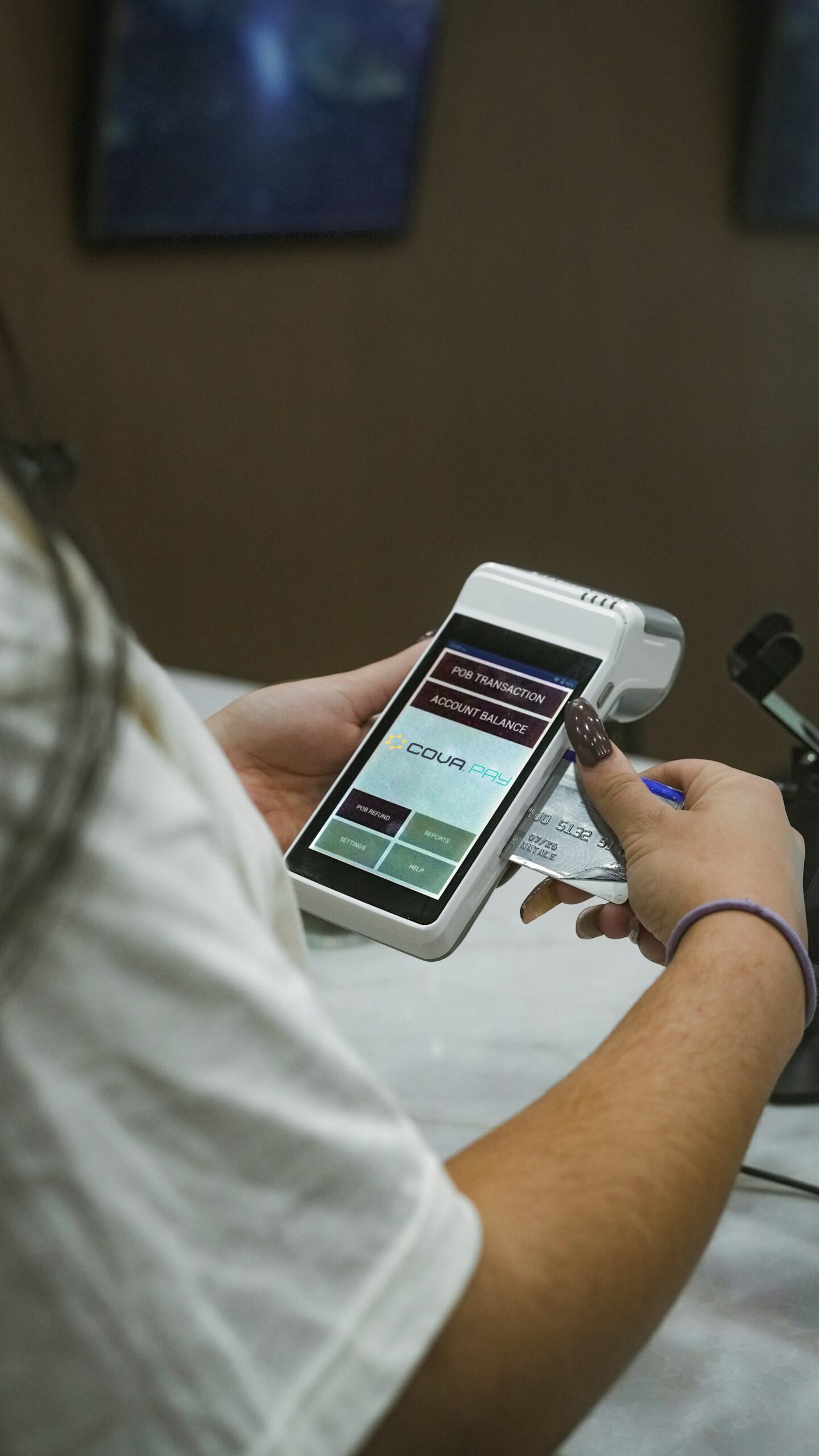

Photo by Cova Software on Unsplash
Introduction to Digital Health Apps for Self-Monitoring
Digital health apps for self-monitoring have transformed personal wellness by enabling users to track health metrics independently. These tools integrate with wearables, provide real-time insights, and support chronic disease management, making proactive health care accessible. In 2026, advancements in AI and IoT drive their popularity, with apps offering personalized feedback on activity, symptoms, and vital signs. Users benefit from reduced hospital visits and improved compliance, as seen in trends where wearable integration leads to better outcomes. [1] This article explores top apps, trends, and practical guidance for selecting and using them effectively.
Key Categories of Self-Monitoring Apps
Self-monitoring apps fall into several categories tailored to specific needs. Fitness and activity-tracking apps monitor physical activity, exercise routines, and overall wellness, helping users maintain consistent habits. Disease management tools track symptoms, medication schedules, and chronic conditions like diabetes or hypertension, often syncing with devices for accurate data. Diagnostic support apps assist with symptom identification and preliminary assessments, while informational apps deliver medical knowledge and guidance. Mental health apps, such as those for stress and sleep, use physiological markers for remote monitoring. These categories address diverse needs, from daily wellness to complex condition management. [1]
For chronic disease self-management, apps provide real-time health tracking and individualized protocols. They analyze biometric patterns to suggest interventions, empowering users with autonomy. Remote mental health monitoring tracks markers like sleep and respiration to detect distress early. Examples include continuous glucose monitors for diabetes and wearable ECG for arrhythmias, which sync data seamlessly. [1] Challenges like data privacy are mitigated through strong compliance features in reputable apps.

Photo by KOBU Agency on Unsplash
Top Recommended Apps for Self-Monitoring
Flo.Health stands out for women’s health self-monitoring, offering tools to track cycles, symptoms, and insights with AI-driven personalization. Founded in 2015, it provides reminders, clear navigation, and strong privacy, making it user-friendly and affordable. Users report high satisfaction due to its reliable support for personalized healthcare. [2] To get started, download from official app stores, set up a profile, and connect compatible wearables for enhanced tracking.
HealthifyMe focuses on nutrition and fitness self-monitoring, integrating activity data for holistic wellness insights. It supports goal setting and progress tracking, ideal for weight management and exercise routines. Its seamless mobile access and positive reviews highlight its effectiveness in daily self-monitoring. [2] Users can input dietary logs and receive tailored recommendations, addressing common challenges like motivation through gamified elements.
Healthy Together combines health records, communication, and data insights for family or individual self-monitoring. Launched in 2020, it offers easy usability and integrations, available on iOS and Android with over 1 million users. It excels in tracking shared health metrics securely. [2] Practical steps include inviting family members and setting shared reminders for medication or check-ins.
For mental health self-monitoring, Finch uses gamification with a virtual pet that thrives on user self-care activities like mood tracking and mindfulness. It appeals to younger users by making routines engaging, fostering consistency. Luma applies CBT methods to manage worries via structured exercises and diaries, helping identify patterns. [3] Start by selecting daily goals and reviewing progress logs weekly.
Integration with Wearables and IoT Devices
Many self-monitoring apps integrate with wearables like smartwatches for heart rate, oxygen saturation, and sleep tracking. Continuous glucose monitors, ECG devices, and smart inhalers sync data automatically, enabling real-time alerts. For instance, apps pair with devices to detect arrhythmias or irregular patterns, reducing readmissions by up to 15% and boosting compliance by 25%. [1] Geofencing features alert providers if patients with hypertension enter high-risk areas.
Edge AI enhances this by processing data on-device for instant insights, minimizing latency and improving security. Platforms like Apple Core ML enable real-time ECG analysis on iOS apps, while Google Edge TPU supports biometric monitoring. To implement, pair your app with certified wearables, grant permissions, and calibrate sensors regularly. Challenges such as battery drain can be addressed by selecting energy-efficient devices and limiting background syncs. Alternatives include standalone trackers if full integration isn’t needed.
Trends Shaping Self-Monitoring in 2026
Personalized telehealth and remote monitoring dominate, with IoT devices like blood pressure cuffs and sleep trackers feeding into apps. Digital therapeutics provide predictive analytics for conditions like diabetes, offering lifestyle recommendations. Real-life scenarios include cardiovascular follow-up with FDA-cleared sensors or post-op monitoring for hypoxia alerts. [1] AI symptom checkers and chronic disease apps leverage real-time analytics for proactive care.
Wearable-integrated apps go beyond steps to track ECG and stress, centralizing data in dashboards. Multilingual support and pharmacy APIs enhance accessibility, especially for chronic management. To stay current, review app updates quarterly and explore platforms like MyFitnessPal for comprehensive tracking including glucose and mood. [4] Potential issues like data overload are solved by customizable dashboards focusing on key metrics.
Practical Steps to Choose and Use Self-Monitoring Apps
Selecting the right app starts with identifying your needs, such as fitness tracking or disease management. Research app stores for ratings above 4.0, like DrChrono’s 4.0 on Capterra, and check compatibility with your devices. Download from official sources, create an account, and input baseline health data accurately. Connect wearables via Bluetooth, set notifications for critical metrics, and log daily activities consistently. [2]
Monitor progress through built-in reports, adjusting goals as needed. For chronic conditions, share data with providers securely. Common challenges include user error in data entry; solutions involve tutorials and voice input features. Alternatives: Use web versions if mobile isn’t preferred or combine multiple apps for specialized tracking. Consult healthcare professionals before relying solely on apps for medical decisions.
Benefits, Challenges, and Best Practices
Self-monitoring apps promote autonomy, early detection, and better outcomes, with studies showing improved management of conditions like asthma via smart inhalers. They offer affordability and convenience, but users must verify accuracy against professional advice. Best practices include regular updates, data backups, and privacy checks. For families, apps like Healthy Together facilitate shared monitoring, enhancing support networks.
In summary, these apps empower proactive health management. Explore options matching your lifestyle for optimal results.
References
[1] Tateeda (2026). Top 15+ Healthcare Mobile App Trends Shaping the Industry in 2026. [2] Citrusbug. 6 Top Healthcare Software to Watch in 2026. [3] We Are Brain (2026). Mental health apps in 2026: Where technology serves humanity. [4] Feed.fm. The 2026 digital fitness ecosystem report.