
Safe and Effective Home Remedies to Help Your Baby Poop Instantly
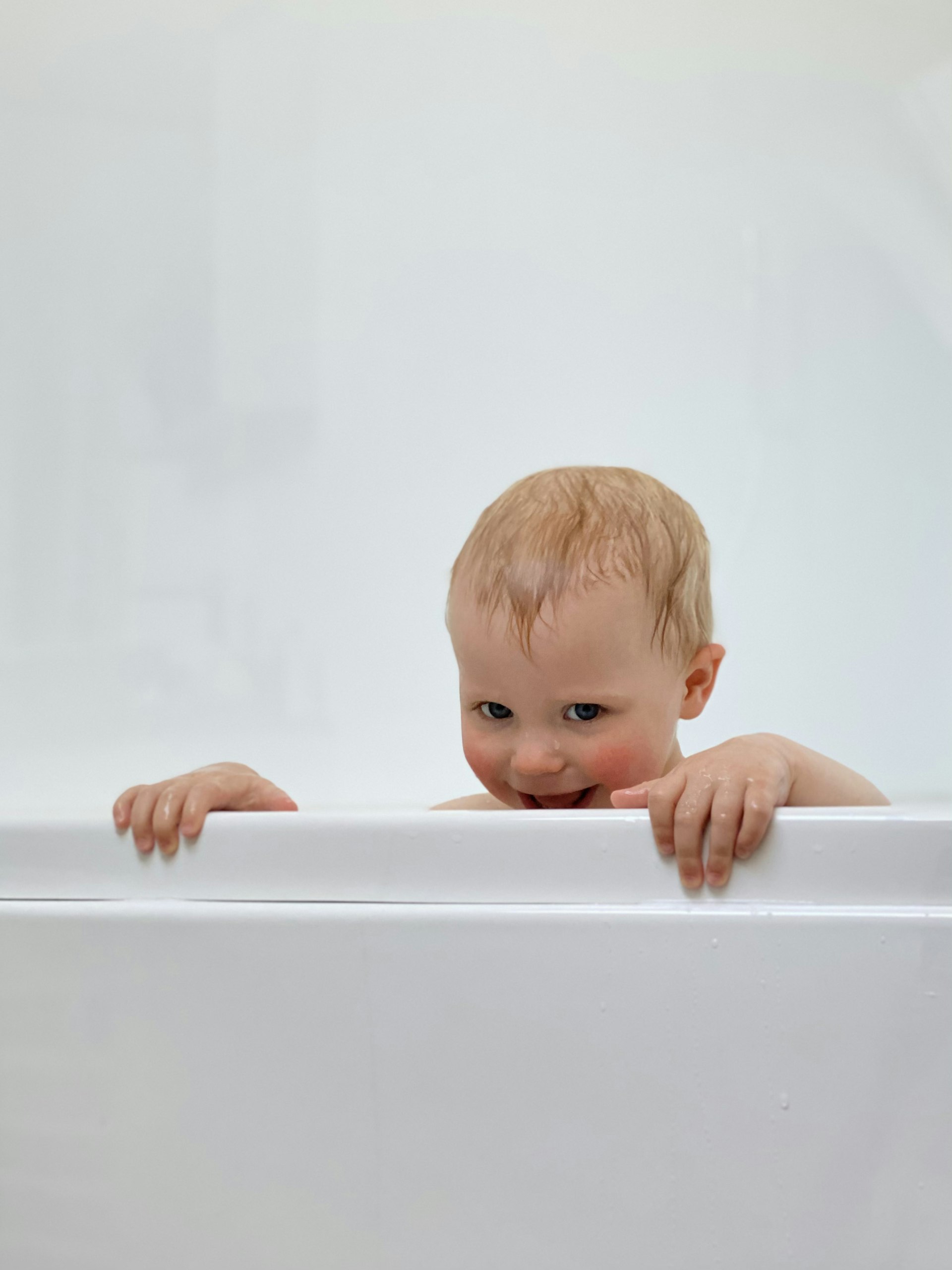

Photo by Arno Vermote on Unsplash
Introduction
Constipation in babies can be distressing for both infants and parents. While it’s natural for bowel movement patterns to vary, persistent difficulty, infrequent stools, or signs of discomfort may indicate constipation. Fortunately, several home remedies exist to help stimulate bowel movements safely and effectively. This guide provides actionable, evidence-based strategies for promoting regularity, addressing every element mentioned in ‘how to make baby poop instantly home remedies.’ All guidance is based on expert pediatric advice and current medical recommendations.
Understanding Baby Constipation
Constipation in babies is typically defined as hard, dry stools, discomfort during bowel movements, or infrequent passing of stool. Causes can include changes in diet, formula sensitivities, dehydration, or the introduction of solid foods. It’s important to note that breastfed babies may naturally have infrequent stools, sometimes going several days without a bowel movement, and this is not always concerning unless accompanied by discomfort or other symptoms [4] .
Gentle Physical Techniques
Abdominal Massage
Massage is a widely recommended, gentle technique to stimulate a baby’s bowels. To perform an abdominal massage, lay your baby on their back and use your fingertips to gently massage the area just below their belly button in a clockwise circular motion for one minute. This can help stimulate peristalsis-the movement that pushes stool through the intestines [2] .
Bicycle Legs
For infants who aren’t mobile, mimicking exercise can help. Hold your baby’s ankles and gently move their legs in a bicycling motion, pressing each leg toward their chest one at a time. This can help loosen the bowels and facilitate stool passage [1] .
Warm Bath
A warm bath can relax the abdominal muscles and relieve discomfort associated with constipation. Allow your baby to soak for several minutes and gently massage their tummy while in the bath. This technique can help reduce straining and make bowel movements easier [4] .

Photo by Toa Heftiba on Unsplash
Dietary Adjustments
Fruit Juices
For babies over six months, small amounts (1-2 ounces) of fruit juice-such as 100% prune, pear, or apple juice-can be effective. These juices contain sorbitol, a natural sugar that draws water into the bowels and softens stool, promoting easier bowel movements. Always consult your pediatrician before introducing juice, especially for babies younger than six months [2] [4] .
Fiber-Rich Foods
For infants who have begun eating solids, incorporating high-fiber foods such as prunes, peaches, pears, broccoli, and skinless apples can help stimulate bowel movements. Pureed forms are suitable for younger babies. Whole-grain cereals, oats, barley, and bran also support regularity [3] .
Adjusting Milk or Formula
Sometimes, formula-fed babies may experience constipation due to sensitivities. Consult your pediatrician to determine if a formula change is warranted. For breastfed babies, consider adjusting your own diet if you suspect certain foods may be contributing to constipation-though this is rare [3] .
Increasing Hydration
Proper hydration is key for soft stools and regular bowel movements. Babies over six months can benefit from small amounts of water between feeds. For younger infants, breast milk or formula remains the primary source of hydration [1] [4] .
Lifestyle and Behavioral Strategies
Stress-Free Potty Breaks
For older infants and toddlers, creating a relaxed environment for potty breaks is crucial. Allow uninterrupted time for your child to attempt a bowel movement, and ensure their feet are supported on a stool or the floor for comfort. Gentle encouragement and small rewards for successful potty time can help foster healthy habits [1] .
Reducing Dairy Intake
Excessive dairy-especially cow’s milk-can contribute to constipation in some children. Monitor dairy consumption and consider reducing intake if constipation persists. Substitute with fiber-rich alternatives to maintain nutritional balance [1] .
Encouraging Movement
As babies grow and become more mobile, encourage crawling and walking. Physical activity helps stimulate digestion and regularize bowel movements [3] .
Step-by-Step Implementation Guide
- Identify signs of constipation: hard, dry stools, discomfort, or infrequent bowel movements.
- Start with gentle techniques: abdominal massage and bicycle legs daily.
- Offer a warm bath to relax muscles and provide comfort.
- For babies over six months, consider 1-2 ounces of prune, pear, or apple juice, with pediatrician approval.
- Introduce fiber-rich foods as appropriate for age and developmental stage.
- Ensure adequate hydration through breast milk, formula, or water (if age-appropriate).
- Adjust formula or maternal diet if sensitivities are suspected, consulting your pediatrician.
- Encourage physical movement and provide stress-free potty breaks for older infants and toddlers.
- Monitor and reduce dairy intake if constipation persists.
- If symptoms continue or worsen, consult your pediatrician for further guidance.
Potential Challenges and Solutions
While most remedies are gentle and effective, some babies may not respond immediately. It’s common for these methods to take a few hours to a day to show results. Always observe your baby for signs of distress, distended abdomen, vomiting, or blood in stool-these require prompt medical attention. If home remedies do not resolve constipation within a couple of days, or if symptoms persist, contact your healthcare provider for further evaluation [4] .
Alternative Approaches and When to Seek Help
In rare cases, constipation may be related to underlying medical conditions such as Hirschsprung’s disease, hypothyroidism, or food allergies. If your child is consistently constipated despite trying these remedies, or exhibits additional symptoms such as vomiting, severe pain, or failure to thrive, seek medical advice. Your pediatrician can recommend prescription medications, stool softeners, or further diagnostic testing if necessary.
Key Takeaways
Relieving baby constipation at home is possible using gentle, proven methods: abdominal massage, exercise, warm baths, appropriate dietary changes, and lifestyle techniques. Always use age-appropriate remedies and consult your pediatrician when introducing new foods or if symptoms persist. With patience and care, most cases of constipation can be managed safely and effectively, ensuring your child’s comfort and well-being.