Eco-Friendly Parenting Lifestyle: Sustainable Choices for Greener Families


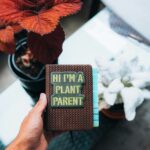
Photo by Thiago Cerqueira on Unsplash
Embracing an Eco-Friendly Parenting Lifestyle
An eco-friendly parenting lifestyle integrates sustainable practices into daily family routines, promoting both planetary health and child well-being. This approach goes beyond recycling to include mindful consumption, energy conservation, and teaching kids about ecological interconnectedness. [1] Parents model behaviors like choosing reusable items and reducing waste, which helps children develop lifelong environmental awareness. By focusing on holistic changes, families can lower their carbon footprint while fostering curiosity and empathy in kids.
Research shows that early exposure to sustainability concepts prepares children to become proactive environmental stewards. For instance, involving toddlers in sorting recycling or watering plants builds habits that reduce household waste and encourage responsibility. [2] Challenges like tracking weekly trash reduction turn learning into fun family activities, rewarding progress with tree-planting outings or upcycled crafts. This method addresses potential hurdles, such as resistance from children, by making eco-practices playful and celebratory.

Photo by Daria Trofimova on Unsplash
Swapping Everyday Products for Sustainable Alternatives
One core element of an eco-friendly parenting lifestyle is replacing single-use products with reusable options, significantly cutting waste. Start with cloth diapers or biodegradable disposables made from plant-based materials, which require more laundry but save money long-term and reduce landfill contributions. [2] For feeding, switch to glass or stainless steel bottles instead of plastic, and make homemade baby food from local organic produce stored in reusable containers. This cuts packaging waste; even partial adoption, like homemade meals a few times weekly, yields benefits.
Implement these swaps gradually: create a monthly ‘green swap challenge’ by replacing one item, such as disposable wipes with cloth versions or plastic utensils with silicone ones. [1] Track progress in a family journal to visualize impact, addressing challenges like upfront costs by buying secondhand or in bulk. Alternatives include subscription services for eco-disposables to minimize packaging. Real-world example: families report less clutter and healthier homes after ditching plastics, with kids learning through hands-on involvement.
Building a Sustainable Home Environment
Creating a low-toxin nursery and home setup is essential for eco-friendly parenting. Use low-VOC paints, real wood furniture over particleboard, and organic crib mattresses to reduce indoor air pollution. [2] Opt for reusable snack bags, sippy cups, and glass storage. Energy conservation involves LED bulbs, turning off unused appliances, and rechargeable batteries, habits kids mimic when observed. [4]
Step-by-step: assess your home by listing high-waste areas, then prioritize swaps like natural cleaners over chemical ones. Potential issues, like higher initial laundry from cloth items, are offset by long-term savings. Case study from parenting blogs: one family reduced energy bills by 20% through simple changes like sustainable laundry strategies, teaching kids to lead by example. Alternatives: borrow gear via community groups to test before buying durable, multi-use items like convertible cribs.
Sustainable Clothing, Toys, and Gear Choices
Eco-friendly parenting emphasizes intentional purchases for clothing, toys, and gear. Choose organic cotton, bamboo, or hemp fabrics; shop secondhand or host swaps to keep wardrobes minimalist. [2] For toys, select wooden or fabric options with non-toxic paints, avoiding battery-operated plastics. Baby gear should be multi-functional and long-lasting; rent or borrow short-term items like swings.
Practical steps: make a ‘needs list’ before shopping to curb impulses, sourcing from thrift stores or apps for secondhand deals. [6] Challenges include fast growth spurts-solution: versatile basics and hand-me-down networks. Examples: parents using biodegradable wipes and organic baby clothes report softer skin and less waste. Expand by teaching kids to repair toys, extending their life and instilling resourcefulness.
Nutrition and Waste Reduction Strategies
Nutrition plays a key role, with organic, locally sourced produce and plant-based snacks lowering carbon footprints. [1] Reduce waste by repurposing jars as storage or clothes as rags, and track household trash weekly as a family challenge. [3] Visit farmers’ markets or community gardens to involve kids directly.
Implementation: plan meals around seasonal produce, storing in reusables. Overcome picky eaters by fun prep activities. Alternatives: bulk buying ethical formulas. A family example reduced plastic use by 50% through homemade food, fostering appreciation for food origins and sustainability.
Fostering Nature Connections and Active Habits
Direct nature engagement builds intrinsic motivation. Spend weekly outdoor hours exploring ecosystems, journaling findings, or sensory play. [1] Practice ‘leave no trace’ at parks: pack reusables, stick to trails. Active transport like walking or biking cuts emissions and boosts health. [5]
Steps: schedule nature walks with open questions to spark curiosity. Address weather barriers with indoor plant care. Examples: families biking together report better sleep and bonds. Borrow beach gear reusables for outings.
Teaching Sustainable Habits Through Modeling
Lead by example with reduce-reuse-recycle, sharing with green parent communities. [4] Zero-waste from birth: secondhand everything except safety items like car seats. [7] Family eco-challenges track new actions weekly.
Guide: discuss choices openly, celebrate wins. Solutions for slip-ups: judgment-free learning. Long-term: kids adopt habits into adulthood.
Overcoming Common Challenges
Barriers like cost or convenience are common; start small, use swaps and borrows. Laundry from cloth diapers? Part-time use. Build community for support.
References
[1] The Zoo Family (n.d.). Eco-Friendly Parenting Tips: Raising Greener Children.
[2] Bear Care Peds (n.d.). Eco-Friendly Parenting: Sustainable Choices for Healthy Kids.
[3] American SPCC (n.d.). Eco-Friendly Parenting: Teaching Kids Sustainable Choices.
[4] Perch Energy (n.d.). Green Parenting Guide: How To Raise Eco-Conscious Kids.
[5] Naturepedic (n.d.). Sustainable Parenting Hacks – Top 12 Tips.
[6] The Roundup (n.d.). 21 Easy Eco-Friendly Parenting Tips for Green Families.
[7] Sustainably Lazy (n.d.). A Non-Judgemental Guide To Zero Waste Parenting From Birth.