
Holistic Approaches to Autoimmune Conditions: Natural Strategies for Balance and Healing
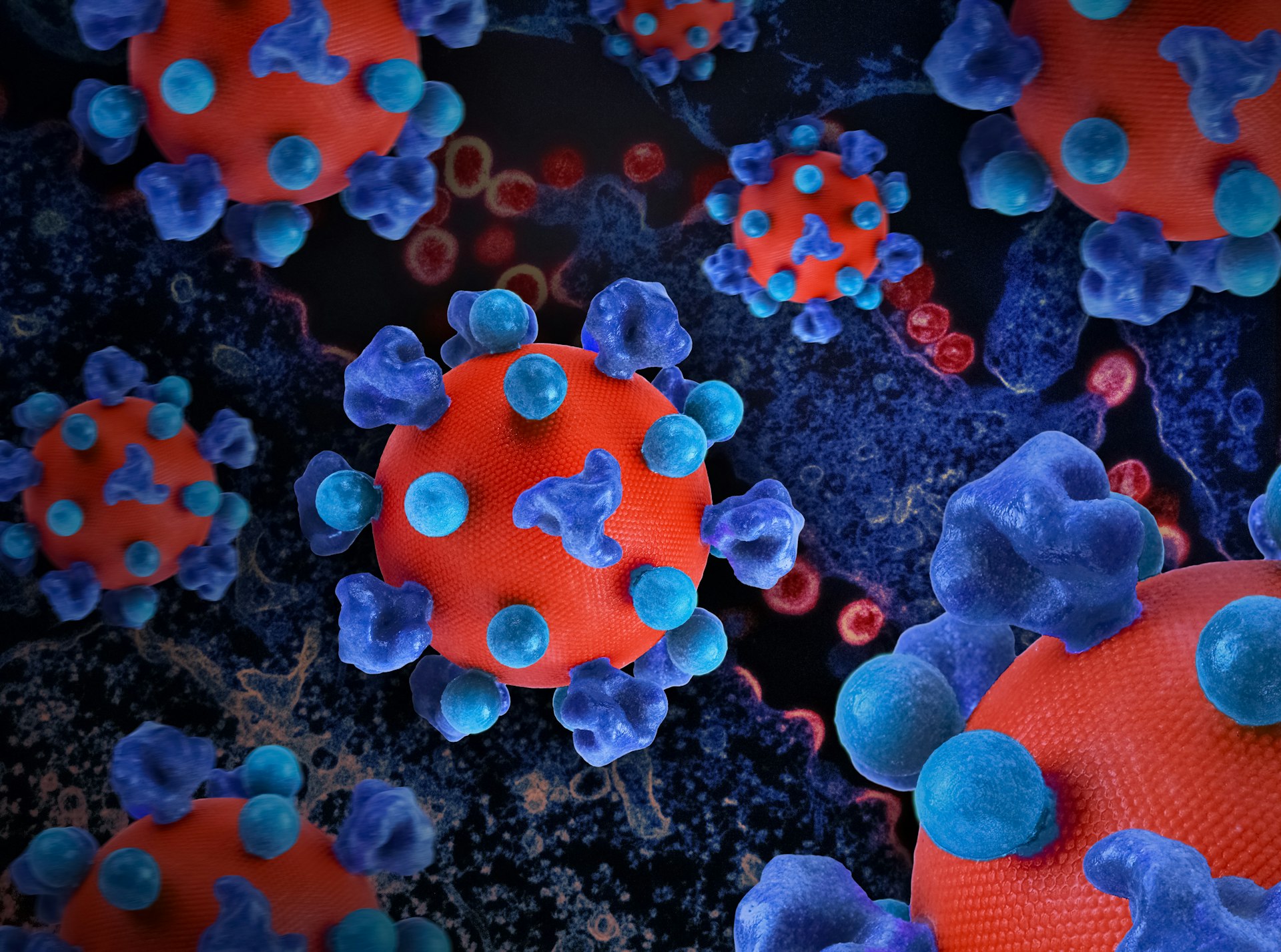

Photo by National Institute of Allergy and Infectious Diseases on Unsplash
Understanding Autoimmune Conditions and the Holistic Perspective
Autoimmune conditions occur when the immune system mistakenly attacks the body’s own tissues, leading to chronic inflammation and symptoms like pain, fatigue, and organ damage. Common examples include rheumatoid arthritis, psoriasis, lupus, Hashimoto’s thyroiditis, and inflammatory bowel diseases such as Crohn’s and ulcerative colitis [1] . While conventional treatments often focus on symptom suppression with medications, holistic approaches emphasize treating the whole person-physical, mental, emotional, and environmental factors-to restore balance and promote natural healing [2] .
A literature review highlights the growing role of complementary and alternative medicine (CAM) in autoimmune management, noting improved patient satisfaction, pain relief, and adaptation through therapies like herbalism, acupuncture, yoga, and dietary interventions [3] . Naturopathic doctors, for instance, identify triggers such as food sensitivities, toxins, and stress, then create personalized plans to modulate the immune system and reduce inflammation [1] . This whole-person strategy can complement conventional care, potentially leading to better outcomes when integrated thoughtfully.
Holistic care differs from standard medicine by seeking underlying causes rather than just symptoms. Practitioners assess lifestyle, nutrition, gut health, and emotional well-being, recognizing their interconnected impact on immune function [4] . Patients often report enhanced quality of life through these methods, though results vary and professional guidance is essential.

Photo by National Institute of Allergy and Infectious Diseases on Unsplash
Anti-Inflammatory Diets and Nutritional Strategies
Nutrition forms the cornerstone of holistic autoimmune management, with anti-inflammatory diets rich in whole foods helping to calm overactive immune responses. Naturopathic approaches recommend emphasizing fruits, vegetables, healthy fats like omega-3s from fish, lean proteins, and eliminating potential triggers through protocols like elimination diets [1] . Foods high in antioxidants, such as berries, leafy greens, and turmeric, combat oxidative stress linked to autoimmune flares.
To implement an anti-inflammatory diet, start by tracking symptoms in a food journal for two weeks to identify patterns. Then, remove common triggers like gluten, dairy, processed sugars, and nightshades for 4-6 weeks, reintroducing them one at a time. Incorporate fermented foods like sauerkraut or kefir for gut support, as dysbiosis contributes to autoimmunity [5] . A real-world example involves patients with rheumatoid arthritis who reduced joint pain by 30-50% after adopting a Mediterranean-style diet supplemented with omega-3s, as supported by functional medicine practices [4] .
Challenges include dietary restrictions leading to nutrient gaps, so consider working with a nutritionist. Alternatives like the Autoimmune Protocol (AIP) diet offer stricter elimination phases followed by reintroduction. Supplementation may bridge gaps: vitamin D (often deficient in autoimmune patients), vitamin C, and curcumin from turmeric show promise in reducing inflammation without overstimulating immunity [5] [6] . Always test levels first and consult a provider, as dosages vary (e.g., 2,000-5,000 IU vitamin D daily under supervision).
Gut Health Optimization: Healing from Within
The gut microbiome regulates up to 70% of immune function, and imbalances (dysbiosis) or leaky gut are common in autoimmune diseases. Holistic practitioners prioritize gut healing with probiotics, prebiotics, and protocols to repair intestinal lining [1] [5] . Comprehensive stool testing can pinpoint issues like pathogens or low beneficial bacteria.
Step-by-step: 1) Eliminate irritants like alcohol and NSAIDs. 2) Introduce bone broth, L-glutamine (5g daily), and collagen for barrier repair. 3) Add diverse probiotics (e.g., Lactobacillus and Bifidobacterium strains) and prebiotic fibers from garlic or onions. 4) Monitor progress with follow-up tests after 8-12 weeks. Case studies show patients with inflammatory bowel disease achieving remission by restoring microbiota balance, reducing systemic inflammation [1] .
Potential hurdles include die-off symptoms from probiotics; ease in gradually and stay hydrated. Alternatives encompass herbal antimicrobials like oregano oil for overgrowth. This approach not only aids autoimmunity but boosts energy and digestion overall.
Mind-Body Practices and Stress Management
Chronic stress elevates cortisol, exacerbating autoimmune flares, so mind-body therapies like yoga, meditation, and mindfulness are vital. Research indicates these improve pain perception, flexibility, strength, and disease activity [3] [6] . Start with 10-20 minutes daily of guided meditation apps or gentle yoga flows tailored for joint issues.
For example, a study on rheumatoid arthritis patients found yoga reduced fatigue and improved mood after 8 weeks [6] . Implementation: Join online classes or local studios specializing in restorative yoga. Combine with breathwork like 4-7-8 breathing to lower stress hormones. Challenges like low energy can be met with chair yoga. Other options include Reiki or biofeedback for relaxation.
Herbal Remedies, Supplements, and Detoxification
Herbs like turmeric (curcumin) offer anti-inflammatory benefits without immune overstimulation, ideal for autoimmunity [7] . Low-dose naltrexone (LDN) modulates immunity by boosting endorphins [1] . Detox supports include saunas, liver herbs (milk thistle), and hydration to clear toxins [4] .
Steps: Consult for personalized dosing (e.g., 500mg curcumin with black pepper twice daily). Examples: Psoriasis patients report clearer skin with turmeric protocols. Monitor for interactions; alternatives like omega-3s provide similar relief.
Lifestyle Modifications and Finding Professional Support
Optimize sleep (7-9 hours), exercise (low-impact like walking), and hydration while minimizing toxins. Seek naturopaths or functional medicine doctors via directories from organizations like the Institute for Functional Medicine [8] . Trial-and-error refines plans [6] .
Track progress in a journal, adjust quarterly. This empowers proactive health management.
References
[1] Integrative Recovery Medicine (n.d.). A Naturopathic Doctor’s Approach to Autoimmune Disease.
[2] Scottsdale Private Physicians (n.d.). Holistic Care for an Autoimmune Disease: What to Expect.
[3] PMC (n.d.). Beyond conventional care: exploring complementary and alternative modalities.
[4] Alpha Care Wellness Center (n.d.). Top Holistic Treatments for Autoimmune Disorders.
[5] NatureMed (n.d.). Natural Remedies for Autoimmune Disease.
[6] Autoimmune Institute (n.d.). The Spectrum of Autoimmune Disease Treatments.
[7] Rheumatology Advisor (n.d.). Herbal Supplement Use in Autoimmune Disease.
[8] IFM.org (n.d.). Autoimmune Disease: Treatments & the Benefits of Lifestyle.